
90’s Baby Show is one that has had an incredible impact on both myself and Julian’s lives, so when we were granted the opportunity to interview one of the three hosts, we were ecstatic to say the least.
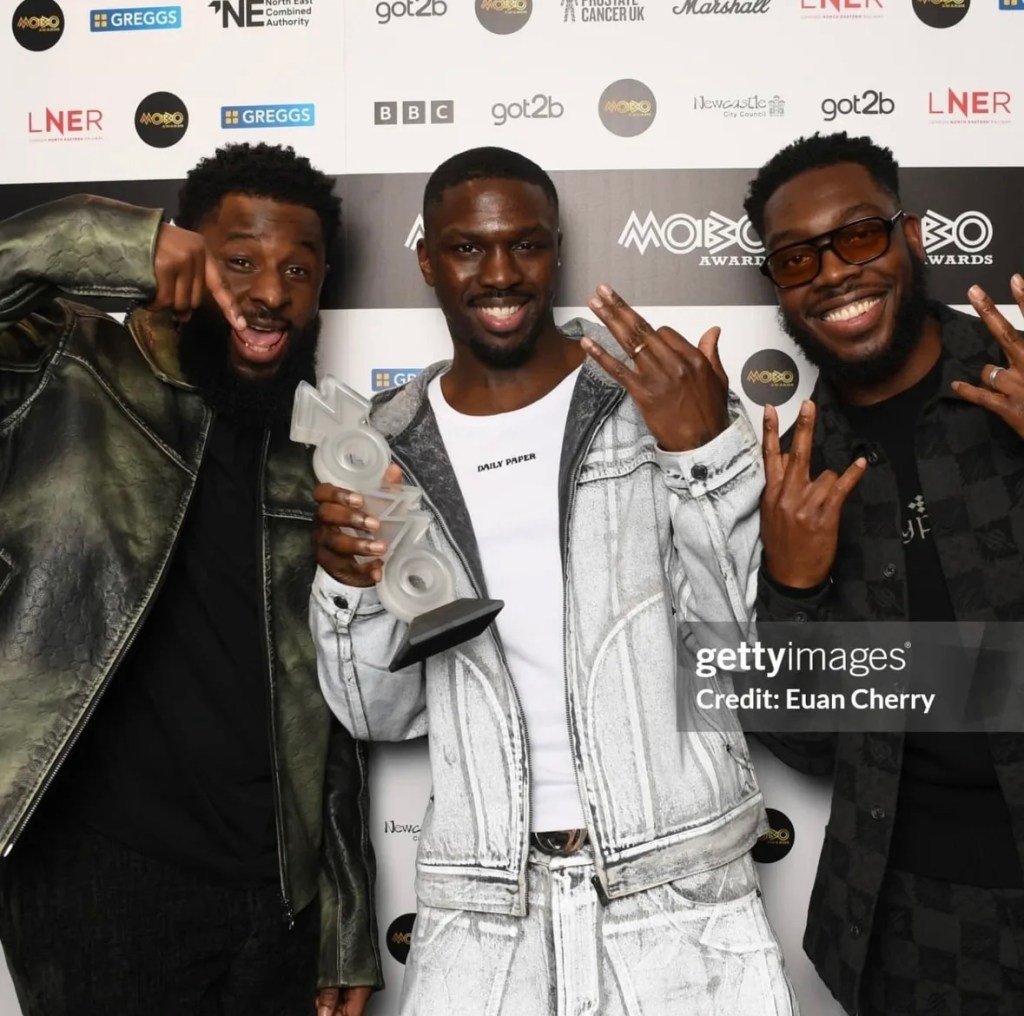
When I first drew up the Black Spaces series, Temi was one of the first names that came to mind, a pioneer who has created his own space for the community. To the few unfamiliar with Temi, he is one of the creators of the MOBO Award-winning podcast 90’s Baby’s Show, a platform designed for entertainment for all. Progressing from radio to living room to their very own studio, but originating from the dreams of 3 young black men.
Today, we’re able to tell the story of how Temi reflects on his experiences 10 years on from when he began and most importantly, we’re able to reflect on how he feels about the SPACE that he has created. We hope you guys enjoy reading this just as much as we did putting it together.
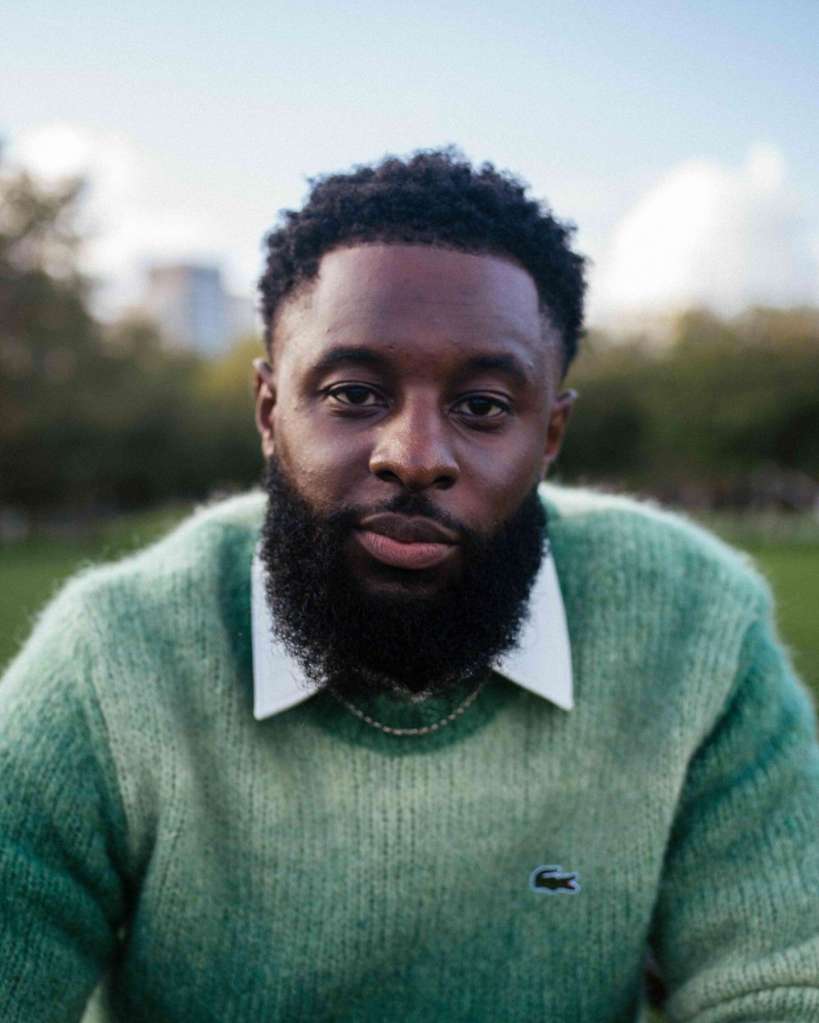
Temi, did you consider yourself like a pioneer back all that time ago in 2016? And did you ever envision the impact that you were then going to make?
“Uh, no, I didn’t know I was pioneering anything. I think when you’re one of the first to do something, shall I say, you don’t know. I know I’m not the first, so I can’t say I’m a pioneer at the time. I wouldn’t say I’m a pioneer because I’m not, I haven’t started it. Whereas I think that term pioneer comes later on when it’s like, “Oh, we understand how early you were doing it”.
In my head, podcasting wasn’t new, it was just new to me. We were just doing something because we didn’t have a radio station. We didn’t know how to do it or what to do, but we just figured it out. But now when I look at that DNA, that is pioneer DNA. There’s no infrastructure there, you’re just doing something and you’re learning it as it’s going. You’re seeing it progress. You’re seeing it evolve. So that’s how pioneers are made. You’re doing something in the infancy of it before it becomes big.”
Do you reflect on the impact you’ve made on people, and do you actually see it in your day-to-day life?
“It’s impossible to see it, but you get little glimpses of it, you know, but it’s impossible to see it every day. I know that we have an impact, but I don’t know how much of an impact. I just know that we’ve been doing this for a long time and we’ve impacted many people but like, I can never know what I did for somebody in lockdown where all they had was literally my podcast or our podcast. I would never be able to know the depth of that. I just knew during lockdown, we were recording, I didn’t know that for some people, that’s all they had.
There’s that, and then there’s somebody that might decide, “Actually, let me start taking my woman seriously, ’cause I want to get married to them” through them listening to our podcast and seeing us going from being single men to men in relationships to men that are married to men having children. I would never know what I’ve done for that person. It’s impossible to know.
There are times when someone will come up and see you and they’ll say, you did this for me, or this is what this did for me. You get not even the tip of the iceberg, you just get an understanding of a spec of what you’ve been doing and that’s amazing. But there’s no way I could know the everyday impact of what we’re doing. Whether good or bad, there’s no way you can know cause we’re just being ourselves on camera.”
How important is that culture to you, and do you tend to hold on to it in some ways?
“The culture of South London or at least where I grew up is everything to me because that’s what I grew up on. It was my parents who raised me but I lived in South London. Nigerian culture is what I would say had more of an impact in terms of raising me because that was the rules that I followed in the house, but of course, you’re outside of the house more than you are inside, so being in South London and having a certain friendship group in the area that I’m from, that’s something that I’ll never forget.
I don’t know if it’s a South London thing or if it’s just wherever you grew up, you always keep that culture. I always keep in mind where I’m from and the values that I was given whether it be from my parents, from my area or from my friends.”
How important do you think being in black spaces is for you, your life and your kids as well in terms of them growing up?
“It’s everything to be in black spaces. It’s also important that that’s not the only thing that we do. It’s very important that we learn how to be comfortable in other spaces and we make other spaces safe for black people as well. That might not be something that only a black person can do. You need allies, you need white people or whoever it is that commands that space to let you in and give you that provision or facilitate, you know? But black spaces are super important. That’s where I feel at home. That’s where I feel like I can be myself. That’s where there’s understanding, there’s familiarity. And, you know, nothing says familiarity more than home. So, if I feel at home in black spaces, then that means I feel like I can be myself to the point where we’ve created our own space where we can talk and be ourselves.
We’ve created our own space where members can come, chill out, be themselves and just express themselves. We’ve created that, and that’s super important. So that’s what I would say is key about black spaces & that’s what’s important to me, being in a space where I feel welcome and being in a space where I feel like I can be myself.
It’s important that that’s not the only thing we do, otherwise, you end up marginalising or just isolating yourself. That’s the better word to say. You just isolate yourself. And then black spaces are just for black people. But I think we should try to work on having black spaces in all places that are safe for us, in the right places.”
How do you think you differ if you grew up in the suburbs compared to the city?
“I’d probably have more white people around me that might make me see the world a bit differently, maybe. I might have more understanding of how it is to grow up and be the only black person because I grew up in South London, so I was always gonna be around black people, whether that be primary school, secondary school etc.
Yeah, uni was when I was like, oh snap, we’re not the majority, we’re the minority. So I think I’d probably know how to move and know how to code switch to my environment just a bit earlier.
There are still things about the way I live. Like I lived in a block. I never knew about putting your bins out at a certain time. If I lived in the suburbs, maybe I would understand more about living in a house and how you own a place. Not to say everyone owns the house that they live in, but maybe I would understand ownership from early. Maybe I wouldn’t understand culture as much. Maybe I wouldn’t understand the life of inner city London and the nuances that come with it and the effects of that. So I’m grateful for my upbringing, wherever I was, where I am and where I was raised. I can’t change it and I wouldn’t.”
 raise a voice
Leave a comment